Comparison
Two approaches to the same morning
The wake-up light market is largely a choice between two philosophies. Here is how to tell which one suits you.
The Velquies Editors · Published 16 September 2026 · Updated 24 September 2026
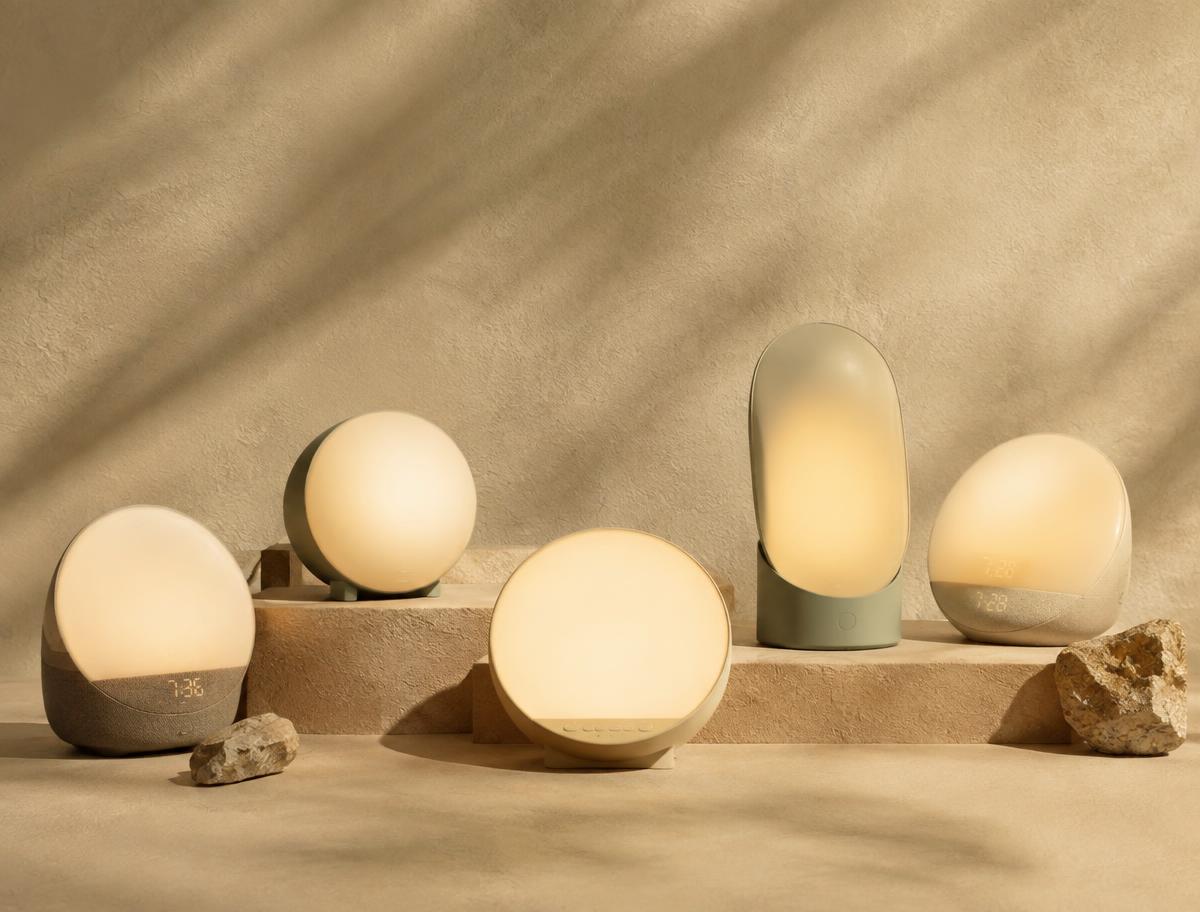
Most bedside sunrise lights fall into one of two camps: the specialist, which concentrates on the light itself, and the feature-led device, which adds radio, sounds, sensors and app control around it.
Neither is better in the abstract. They suit different bedrooms and different people, and the decision becomes straightforward once you know which you are.
At a glance
| Attribute | The specialist approach | The feature-led approach |
|---|---|---|
| Design | Restrained, furniture-like | Technical, display-forward |
| Sunrise quality | The central priority | Good, among other functions |
| Features | Deliberately few | Radio, sounds, app, sensors |
| Ease of use | Physical controls, no setup | App-assisted, more to configure |
| Value | Pays for light quality | Pays for breadth |
Who it suits: The specialist approach
Bedrooms where the object is visible all day, and people who want to set something once and never think about it again.
Who it suits: The feature-led approach
People who genuinely use the extras — a bedside radio, varied sounds, scheduling — and are comfortable configuring them.
The Velquies conclusion
If you are buying a wake-up light because mornings are hard, buy for the quality of the sunrise and the ease of the controls. If you are also replacing a bedside radio and a phone dock, the feature-led route saves you two objects and some cable.
Key takeaways
- Decide first whether you want a light or a bedside device.
- Sunrise quality and control simplicity matter most day to day.
- Extra features only add value if you will actually use them.
Some links on this page may earn Velquies a commission. This never determines what earns a place in The Edit. Read our affiliate disclosure.